The Genetics Behind Tortoiseshell Cats and Their Unique Female Coat Color

Tortoiseshell cats captivate many with their striking coat patterns, blending patches of black, orange, and cream in a mosaic of colors. This unique appearance is not just a matter of chance but a fascinating outcome of genetics. One of the most intriguing facts about tortoiseshell cats is that this coat color is almost exclusively found in females. Why is that? What genetic mechanisms create this beautiful pattern, and why does it rarely appear in males? This article explores the science behind tortoiseshell cats, focusing on the genetic principles that explain their distinctive coat and gender link.

The Basics of Cat Coat Color Genetics
Cat coat colors are determined by genes that control pigment production and distribution in the fur. The two main pigments responsible for the colors in cats are eumelanin (black or brown shades) and pheomelanin (red or orange shades). The combination and expression of these pigments create the wide variety of coat colors and patterns seen in domestic cats.
The gene responsible for the orange coloration in cats is located on the X chromosome. This gene has two main alleles (variants):
O allele: Produces orange pigment
o allele: Produces non-orange pigment (usually black or brown)
Because this gene is on the X chromosome, the inheritance pattern is linked to the cat's sex chromosomes.
Why Tortoiseshell Cats Are Almost Always Female
Female cats have two X chromosomes (XX), while males have one X and one Y chromosome (XY). This difference is crucial in understanding why tortoiseshell coloring appears mostly in females.
Females (XX) can inherit two different alleles for the orange gene, one on each X chromosome. If a female inherits one O allele and one o allele, she will express both orange and black patches in her coat, resulting in the tortoiseshell pattern.
Males (XY) have only one X chromosome, so they can carry either the O allele or the o allele, but not both. This means a male cat is usually either orange or black, but not both.
X-Chromosome Inactivation
In female mammals, one of the two X chromosomes in each cell is randomly inactivated during early development. This process, called X-chromosome inactivation, means that some cells express the genes from one X chromosome, while others express genes from the other. In tortoiseshell cats, this leads to patches of fur where the orange allele is active and other patches where the non-orange allele is active.
This random inactivation creates the distinctive patchwork of colors seen in tortoiseshell cats.
Why Male Tortoiseshell Cats Are Rare
Male tortoiseshell cats are very rare but can occur under specific genetic conditions:
Klinefelter syndrome (XXY males): These males have an extra X chromosome, allowing them to carry both O and o alleles. They can display tortoiseshell coloring but are usually sterile.
Chimeras: Rarely, a male cat may be a chimera, meaning it has two different cell lines with different genetic makeups, which can produce tortoiseshell coloring.
Somatic mutations: In very rare cases, mutations in the skin cells can cause patches of different colors.
Because these conditions are uncommon, tortoiseshell males are a rare sight.
The Role of the Maine Coon Breed in Tortoiseshell Patterns
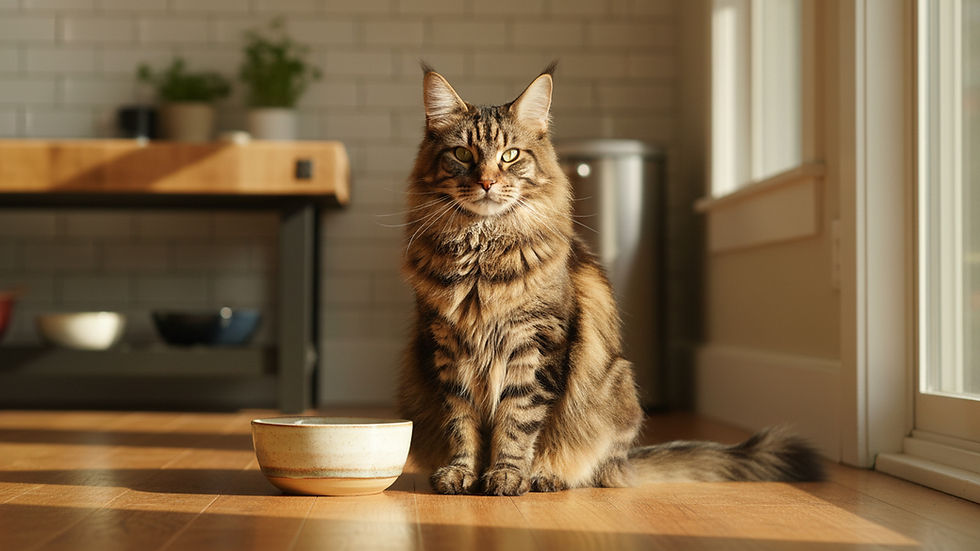
Maine Coon cats are known for their large size, tufted ears, and luxurious fur. They also display a wide range of coat colors and patterns, including tortoiseshell. The thick, long fur of Maine Coons can make the tortoiseshell pattern especially striking, with colors blending beautifully across their coats.
Adult tortoiseshell Maine Coons often show a rich mix of colors that highlight the genetic mosaic created by X-chromosome inactivation. Their size and fur length make the color patches more visible and dramatic compared to short-haired breeds.
How to Identify a Tortoiseshell Cat
Tortoiseshell cats have a few key characteristics:
Multicolored coat: Patches of black, orange, and sometimes cream or white.
No clear pattern: Unlike calico cats, tortoiseshells usually lack large white patches.
Predominantly female: Almost all tortoiseshell cats are female due to genetics.
If you see a cat with a mix of black and orange fur in a mottled pattern, it is very likely a tortoiseshell.
Common Misconceptions About Tortoiseshell Cats
Tortoiseshell is not a breed: It is a coat color pattern that can appear in many breeds.
Not all multicolored cats are tortoiseshell: Calico cats have distinct white patches along with black and orange, while tortoiseshell cats have a more blended pattern.
Tortoiseshell cats are not always friendly or feisty: Personality traits vary widely and are not linked to coat color.
The Genetics Behind Calico Cats and Their Relation to Tortoiseshells
Calico cats are closely related to tortoiseshell cats genetically. They share the same orange gene on the X chromosome but have an additional gene that causes white spotting. This white spotting gene creates large white areas on the coat, separating the black and orange patches.
Both calico and tortoiseshell patterns depend on X-chromosome inactivation, which explains why both patterns are mostly found in females.
Why Understanding Cat Genetics Matters
Knowing the genetics behind coat colors helps breeders and cat enthusiasts understand how traits are passed on. It also explains why certain colors are rare or common in specific breeds. For example, breeders who want to produce tortoiseshell Maine Coons must understand the genetic requirements for the coat color.
Additionally, understanding genetics can help identify rare male tortoiseshell cats and explain their unique genetic makeup.
Summary of Key Points
The orange coat color gene is located on the X chromosome.
Female cats have two X chromosomes, allowing them to express both orange and black patches.
Male cats have one X chromosome, so they are usually either orange or black.
X-chromosome inactivation causes the patchy tortoiseshell pattern in females.
Male tortoiseshell cats are rare and usually have genetic anomalies like XXY chromosomes.
Maine Coon cats can display tortoiseshell patterns, which look especially striking due to their long fur.
Tortoiseshell is a coat color pattern, not a breed.
Calico cats are related genetically but have white spotting in addition to orange and black patches.
Understanding the genetics behind tortoiseshell cats reveals the fascinating interplay between chromosomes and coat color. The rarity of male tortoiseshell cats highlights how genetics shapes the natural world in surprising ways. Next time you see a tortoiseshell cat, you can appreciate the complex genetic story behind its beautiful coat.