Maine Coon Cats: Majestic, Gentle, and Family-Friendly Companions

A Maine Coon can look like a small lion stretched out across the sofa, then chirp sweetly for attention and follow a child from room to room like a loyal little shadow. That mix of grandeur and gentleness is a big part of their charm.
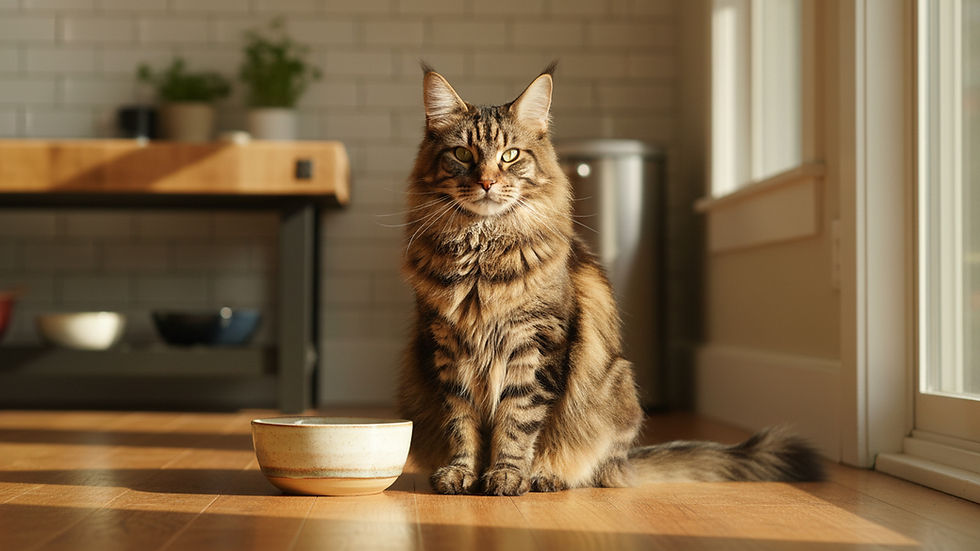
Maine Coons are one of the most recognizable cat breeds in the United States. They are famous for their large bodies, thick coats, tufted ears, expressive eyes, and long, flowing tails. Yet size is only part of the story. These cats are often loved for their friendly personalities, playful habits, and steady temperaments.
For cat lovers and potential pet owners, Maine Coons offer a rare blend of beauty, brains, and warmth. They can fit well into many family homes when their needs are understood and met. They enjoy people, often tolerate respectful children, and bring an easygoing confidence that makes them feel less like a mysterious house cat and more like a furry family member.

Maine Coons have a majestic look that is hard to miss
The first thing many people notice about a Maine Coon is size. These cats are known for being large, sturdy, and muscular. They often have broad chests, rectangular bodies, strong legs, and oversized paws that make them look built for snowy New England winters.
Their coat adds to that impressive presence. A Maine Coon’s fur is usually medium to long, with a shaggy texture that lies differently across the body. Many have a fuller ruff around the neck, longer fur on the belly, and a grand plume of a tail. Their ears may have little tufts at the tips, giving them a wild, lynx-like expression.
Common features that make the breed stand out include:
Large, well-balanced bodies with a powerful but graceful shape
Long, bushy tails that often wrap around their bodies when they rest
Tufted ears and paws that add to their rugged appearance
Expressive eyes that can look alert, curious, or deeply relaxed
Thick coats that come in many colors and patterns
Maine Coon cats can be striking in almost any coat color. Brown tabby is a classic look, but the breed may also appear in black, white, blue, cream, red, silver, tortoiseshell, and many other patterns. Their beauty does not come from one single feature. It comes from the full picture: size, texture, movement, and presence.
Despite their grand appearance, they are not delicate showpieces. A healthy Maine Coon usually moves with confidence and purpose. They may leap to a cat tree, trot down a hallway with their tail high, or sprawl across the floor in a way that makes their size impossible to ignore.
Their friendly nature earns them the nickname gentle giants
Maine Coons are often called gentle giants, and the nickname fits many of them well. While each cat has its own personality, the breed is widely known for being sociable, affectionate, and steady.
They often enjoy being near their people without demanding constant lap time. Some Maine Coons love to cuddle. Others prefer to sit beside a person, stretch across the back of the couch, or settle at the foot of the bed. Their affection can feel calm and companionable rather than clingy.
Many Maine Coons also have a charming way of communicating. Instead of loud, sharp meows, some make soft chirps, trills, or conversational sounds. A Maine Coon may greet someone at the door, comment on dinner preparation, or “talk” while carrying a toy.
Their sociable nature can make them a good match for homes where people want an interactive cat. They may follow family members from room to room, supervise chores, or sit nearby while someone reads, cooks, or works on a hobby.
A great Maine Coon home is not the loudest or busiest one. It is the one where the cat receives daily attention, respectful handling, and space to be itself.
This breed’s friendly reputation does not mean every Maine Coon will enjoy every situation. They still need proper introductions, gentle treatment, and safe places to retreat. A confident, social cat can still become stressed if handled roughly or overwhelmed by noise. The best family homes balance love with respect.

Maine Coons are playful, intelligent, and surprisingly adaptable
A Maine Coon is not just a pretty cat. This breed is known for being bright, curious, and playful well into adulthood. Many enjoy games that involve chasing, pouncing, problem-solving, and interaction with people.
Their intelligence often shows up in daily life. A Maine Coon may learn household routines quickly, figure out where toys are stored, or understand which family member is most likely to hand out treats. Some enjoy puzzle feeders, treat balls, and toys that require them to bat, pull, or nudge something to get a reward.
Many also like games that feel cooperative. Fetch is not unusual for the breed. Some Maine Coons will chase a soft toy, carry it back, and wait for another throw. Others prefer wand toys, tunnels, crinkle balls, or large kicker toys they can grab with their front paws.
Play is more than entertainment. It helps with:
Healthy exercise
Mental stimulation
Bonding with family members
Stress relief
Better nighttime behavior
Maine Coons can also adapt well to different home setups. They may do well in houses or apartments if they have enough vertical space, enrichment, and human interaction. A tall cat tree, sturdy scratching posts, window perches, and daily play sessions can make a smaller home feel much larger to a cat.
They often adjust to families, singles, couples, and multi-pet households when introductions are slow and well managed. Some Maine Coons live peacefully with cat-friendly dogs. Others enjoy feline companions. The key is patience. New pets should meet in stages, with scent swapping, separate spaces, and short supervised visits before full access.
Because of their size and intelligence, Maine Coons need items that actually fit them. A tiny cat bed, flimsy scratching post, or small litter box may not work well. Bigger, steadier options help them feel comfortable and secure.
Good choices for Maine Coons | Why they help |
Large litter boxes | They give big cats room to turn and dig comfortably |
Sturdy cat trees | They support climbing, scratching, and resting safely |
Wide scratching posts | They let long-bodied cats stretch fully |
Puzzle toys | They keep active minds busy |
Heavy food and water bowls | They are harder to tip during enthusiastic use |
They can make wonderful family pets when children learn respect
Maine Coons often shine in family settings because of their playful demeanor and gentle temperament. They tend to be patient, social, and less jumpy than some more nervous cats. That can make them a lovely match for homes with children, as long as the family teaches kind behavior from the start.
A family-friendly cat environment is built on rules that protect both the cat and the child. Children should learn to pet gently, avoid pulling tails or whiskers, and never chase a cat that walks away. They should also know that a sleeping, eating, or hiding cat needs space.
Good child-and-cat habits include:
Petting with an open hand along the back or shoulders
Letting the cat approach first
Keeping voices calm around the cat
Playing with wand toys instead of hands
Watching for signs that the cat needs a break
Maine Coons are playful, but they are still cats with boundaries. A swishing tail, flattened ears, tense body, sudden stillness, or attempt to leave can all mean the cat is done. Teaching children to notice those signals helps build trust.
For families, structured play is one of the best ways to include everyone. A child can drag a wand toy across the floor, toss a soft ball, or hide treats in an easy puzzle feeder while an adult supervises. These games give the cat exercise and give children a positive way to bond.
Maine Coons may also enjoy being part of ordinary family routines. They might sit nearby during homework, watch dinner prep from a safe perch, or curl up in the same room during movie night. Their companionship often feels steady and present, which is one reason so many families become devoted to the breed.

Maine Coon care starts with grooming, food, space, and routine
Maine Coons are not high-maintenance in every way, but their coat, size, and social needs do call for steady care. A little routine attention prevents many common problems and keeps the cat comfortable.
Brush the coat before mats form
That beautiful coat needs regular grooming. Many Maine Coons benefit from brushing several times a week, especially around the chest, belly, armpits, back legs, and tail. These areas can mat more easily because of friction and movement.
A metal comb, slicker brush, and detangling tool can help, but gentle handling matters most. Short grooming sessions tend to work better than long battles. Offer treats, praise, and breaks so grooming becomes normal rather than stressful.
During seasonal shedding, extra brushing may help reduce loose fur around the home. It also gives owners a chance to check the skin for irritation, bumps, fleas, or tender spots.
Feed for size without overfeeding
Maine Coons are large cats, but large does not mean overweight. They need nutritious food, fresh water, and portion control based on age, activity level, body condition, and veterinary guidance.
Because they can grow for longer than many smaller cats, kittens need food that supports healthy development. Adult cats need a balanced diet that helps maintain muscle without excess weight. Treats can have a place, but they should stay limited.
Signs that feeding may need adjustment include fast weight gain, visible loss of waistline, low energy, or constant hunger. A veterinarian can help set a healthy target and feeding plan.
Make the home fit a big, active cat
A Maine Coon needs room to stretch, scratch, climb, and retreat. That does not always mean a huge house. It means thoughtful setup.
Helpful items include:
A tall, sturdy cat tree
At least one large scratching post
A roomy litter box in a quiet area
Safe window views
Washable beds or blankets
Toy baskets with rotating options
Quiet resting spots away from foot traffic
Vertical space is especially useful. A cat tree near a window can provide hours of bird-watching and sunbathing. Shelves, perches, and climbing furniture let a cat move upward when the floor feels busy.
Give them companionship and mental activity
Maine Coons may look independent, but many are deeply people-oriented. They can become bored or lonely if left without interaction for long stretches every day. Daily play, gentle conversation, brushing, and shared routines help them feel secure.
A simple daily rhythm might include:
Morning feeding and a short play session
Window time or puzzle toy during the day
Evening grooming or cuddle time
Active play before bedtime
This kind of routine helps a Maine Coon know what to expect. It can also reduce unwanted behaviors that come from boredom, such as knocking items over, pestering other pets, or waking everyone at night.

A family-friendly environment helps them thrive
The best home for a Maine Coon feels safe, interesting, and predictable. Family members do not need to be cat experts on day one. They need to build habits that support trust.
Start by giving the cat a quiet base room when it first arrives. Include food, water, a litter box, bedding, toys, and a scratching surface. Let the cat explore at its own pace. Some Maine Coons walk out boldly, while others need a few days to feel sure.
After that, create zones throughout the home:
Play zones where toys are easy to find
Rest zones where the cat will not be disturbed
Scratch zones near common pathways or favorite rooms
Food and water zones away from the litter box
Escape zones where children and guests know not to follow
This setup helps a Maine Coon feel included without feeling trapped. It also teaches the family to respect the cat as a living companion with needs, not a toy or decoration.
If the home includes other pets, slow introductions protect everyone. Keep early meetings short and calm. Reward relaxed behavior. Give each animal its own food area, resting space, and litter access if cats are involved. Rushing the process can create tension that takes longer to undo.
Maine Coons often reward patience with deep companionship. They may greet guests, inspect grocery bags, curl near the family dog, or chirp at someone from across the room. Their charm comes from how present they are. They want to belong.
Why Maine Coons leave such a lasting impression
Maine Coons have the kind of beauty that turns heads, but their personality is what wins hearts. Their large size, high intelligence, playful spirit, and gentle nature make them unforgettable companions. They can be silly without being frantic, affectionate without being overwhelming, and impressive without being aloof.
For families, they offer a special mix: a cat that can play, socialize, observe, and relax alongside the household. For first-time owners who are ready for grooming, proper setup, and daily interaction, they can be deeply rewarding pets. For lifelong cat lovers, they bring a rare combination of wild looks and warm companionship.
The best way to care for a Maine Coon is to honor both sides of the breed. Make room for the majestic cat with the big paws and magnificent coat. Then make time for the gentle friend who wants to chirp hello, chase a toy, and be part of daily life.