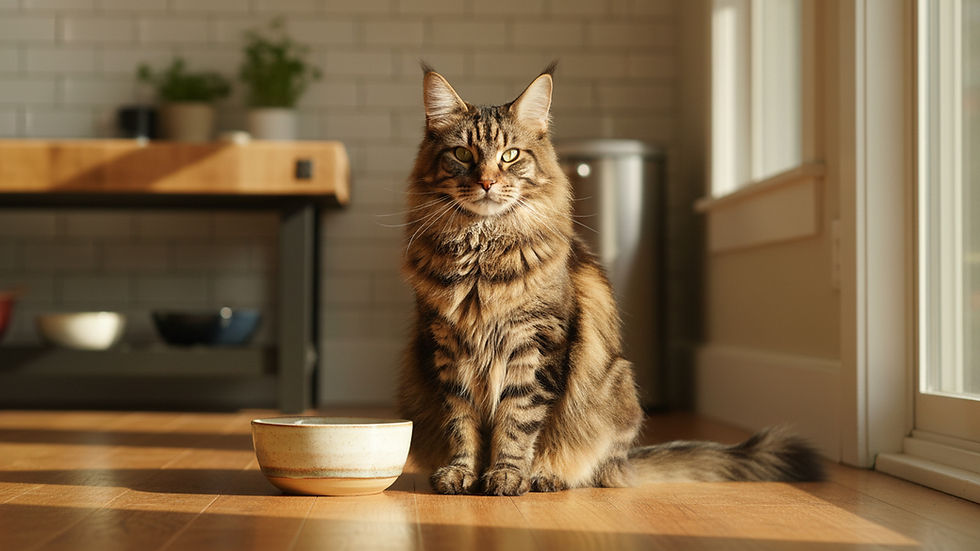
Maine Coon Care Guide: Grooming, Feeding, and Health Tips

A Maine Coon can look like a small lion and act like the family comedian, but that gorgeous coat and big body need steady care. These cats are known for being affectionate, playful, and sturdy, yet they are not low-maintenance when it comes to grooming and nutrition.
The good news is that Maine Coon care is usually simple when it becomes part of the daily routine. A few minutes with a comb, thoughtful feeding, regular nail trims, and consistent vet visits can help prevent bigger problems later.
This guide covers the everyday habits that keep a Maine Coon comfortable, healthy, and looking like the majestic cat they are.

Maine Coons need a steady grooming routine
Maine Coons have long, thick coats that can vary from silky to shaggy. Many have a dense ruff around the neck, long belly fur, and feathering on the legs and tail. That coat is beautiful, but it can trap loose hair and form mats, especially behind the ears, under the front legs, along the belly, and around the back legs.
Daily grooming does not have to mean a full spa session. For many cats, 5 to 10 calm minutes several times a week works better than one long grooming battle at the end of the week.
Start with a comb, especially for kittens
For a Maine Coon kitten, a comb is one of the best grooming tools to start with. A comb teaches the kitten to accept gentle handling and helps you find small tangles before they tighten into mats. The goal is to move slowly and check the fur layer by layer, touching all areas of the body.
A simple kitten grooming routine can look like this:
Let the kitten sniff the comb.
Give a treat or gentle praise.
Comb one small area, such as the shoulders or back.
Stop before the kitten gets frustrated.
Repeat daily.
Short sessions build trust. If a kitten learns that grooming is predictable and pleasant, adult coat care becomes much easier.
Pay extra attention to:
Behind the ears
Under the armpits
The chest and neck ruff
The belly
The base of the tail
The back legs
If the comb catches, do not yank. Hold the fur close to the skin with one hand and gently work the tangle from the outer edge inward. For tight mats, consult a professional groomer or veterinarian rather than cutting close to the skin.
Use a slicker brush for adult Maine Coons
Adult Maine Coons often benefit from a slicker brush, especially during seasonal shedding. A slicker brush has fine, closely packed pins that help lift loose fur from the coat. Use it with a light hand. Pressing too hard can irritate the skin.
A good adult grooming routine may include:
A comb to check for tangles near the skin
A slicker brush to remove loose coat
A final comb-through to make sure no spots were missed
The comb is still useful for adult cats because it reaches places a brush may glide over. The slicker brush helps with volume and shedding, while the comb confirms the coat is truly tangle-free.
Brush in the direction the fur grows. Keep sessions calm. If your cat walks away, pause and try again later. Maine Coons are often social cats, but they still appreciate having a choice.

Nail clipping works best when it starts young
Nail trimming can feel intimidating at first, especially with a wiggly kitten. Starting early helps a Maine Coon learn that paw handling is a normal part of life.
Kittens do not need dramatic trimming. The main goal is to create a habit. Even clipping one or two tiny tips at a time can be a success.
Teach paw handling before trimming
Before using clippers, spend a few days simply touching the paws. Pick a quiet time when the kitten is sleepy or relaxed.
Try this routine:
Touch one paw gently.
Offer praise or a small treat.
Press lightly on the toe pad so the claw extends.
Release the paw.
Stop while the kitten is still calm.
This teaches the kitten that paw handling is brief and safe.
Trim only the sharp tip
Use cat nail clippers or small pet nail scissors. Human nail clippers can work in a pinch for some cats, but pet clippers often give better control.
Look for the clear or white curved tip of the claw. Inside the nail is the quick, the pink area that contains blood vessels and nerves. Never cut into the quick. If you are unsure where it is, trim less.
For dark nails or uncertain angles, clip just the very end. It is better to trim a small amount more often than to cut too much.
A low-stress nail trim usually works best when you:
Choose a calm time
Use good lighting
Hold the paw gently, not tightly
Clip one nail at a time
Reward after each paw, or even after each nail
For adult Maine Coons, keep the same calm approach. Their paws are larger, and their claws are stronger, but the technique is the same. Regular trims protect furniture, reduce accidental scratches, and help prevent overgrown claws.
Feeding a Maine Coon calls for quality and consistency
Maine Coons are large cats, but they are still cats first. They need a diet centered on animal protein, balanced fat, essential vitamins and minerals, and enough moisture to support daily health.
Because Maine Coons grow slowly compared with many other breeds, nutrition during kittenhood matters. Many continue filling out for several years. That does not mean they should eat unlimited food forever. It means they need age-appropriate food and careful body condition monitoring.
Kittens need food made for growth
A Maine Coon kitten should eat a complete and balanced kitten food. Kitten formulas provide the extra calories and nutrients growing cats need, including protein, fat, calcium, phosphorus, and other key nutrients.
Young kittens typically need several small meals a day. As they mature, meals can become more structured. Your veterinarian can help you decide when to transition from kitten food to adult food based on growth, weight, body condition, and spay or neuter status.
Adult Maine Coons need protein and portion control
Adult Maine Coons need high-quality cat food that supports lean muscle without encouraging excess weight. Their size can make overfeeding easy. A big cat is not always an overweight cat, but a fluffy coat can hide extra pounds.
A good adult diet should include:
Animal-based protein from sources such as chicken, turkey, fish, beef, or other meats
Moderate fat for energy, skin health, and coat quality
Complete vitamins and minerals in the right balance
Moisture, either from wet food, fresh water, or both
Appropriate calories based on activity level and body condition
Wet food can be helpful because it adds moisture to the diet. Dry food can be convenient and may work well for some cats. Many Maine Coon owners use a mix of both. What matters most is that the food is complete, balanced, and suited to the cat’s life stage.

Maine Coon nutrition should support size without overfeeding
Maine Coons are naturally large, muscular cats. Their nutrition should support that frame, but extra size should come from healthy growth and muscle, not excess fat.
Body condition is more useful than the number on the scale alone. You should be able to feel the ribs with light pressure, but they should not stick out sharply. From above, many healthy cats have a visible waist behind the ribs. From the side, there may be a slight tuck behind the belly.
The long coat can make this hard to judge, so hands-on checks are helpful.
Watch for weight changes
Slow weight gain can sneak up on a Maine Coon. Because they look large even at a healthy weight, it is easy to excuse extra pounds as “just being a big breed.”
Signs your cat may be carrying too much weight include:
Difficulty jumping onto favorite spots
Less interest in play
A belly that swings heavily when walking
Trouble grooming the back or rear area
Ribs that are hard to feel
Sudden weight loss can also be a concern. If your cat loses weight without a clear reason, seems hungrier or thirstier than usual, vomits often, or acts tired, schedule a vet visit.
Keep treats small and purposeful
Treats are useful for training, grooming, nail trims, and bonding. They should stay a small part of the diet.
Instead of handing out treats randomly, use them to reward helpful behaviors:
Sitting calmly for combing
Letting you touch the paws
Getting into the carrier
Accepting a short nail trim
Coming when called
Break treats into tiny pieces. A Maine Coon does not need a large snack to understand the message.
Be careful with homemade or raw diets
Some owners are interested in homemade or raw feeding. These diets can be risky if they are not properly balanced or handled safely. Cats need specific nutrients, including taurine, in the right amounts. Deficiencies can cause serious health problems.
If you want to prepare food at home, work with a veterinarian or a board-certified veterinary nutritionist. Guessing at recipes is not worth the risk.
Hydration and feeding routines make daily care easier
Cats often have a low thirst drive, so hydration deserves attention. Maine Coons may enjoy water more than some breeds, but clean water still needs to be easy to access.
Place water bowls in quiet areas away from the litter box. Some cats prefer wide, shallow bowls because their whiskers do not brush the sides. Others enjoy a pet fountain.
Simple ways to encourage hydration include:
Refreshing water daily
Washing bowls often
Offering wet food
Placing more than one water station
Trying ceramic or stainless steel bowls
A predictable feeding schedule can also help. Meals make it easier to track appetite, prevent overeating, and notice changes early. Free-feeding dry food may work for some cats, but it can lead to weight gain in cats who graze out of boredom.
If your Maine Coon eats too quickly, try a puzzle feeder or a shallow dish that spreads the food out. Slower meals can reduce gulping and add mental enrichment.
Build a simple weekly care rhythm
The easiest care plan is one you can repeat. Maine Coons do well with routines because small habits prevent big problems.
Here is a practical rhythm for many homes:
Care task | How often | Why it helps |
Comb through coat | Several times weekly | Prevents mats and catches skin issues early |
Use slicker brush | A few times weekly for adults | Removes loose fur and reduces shedding |
Check nails | Every two weeks | Helps you trim before claws get too sharp |
Trim nails | Every few weeks, as needed | Maintains comfort and builds tolerance |
Refresh water | Daily | Supports hydration |
Review food portions | Weekly | Helps prevent slow weight gain |
Weigh or body-check | Monthly | Tracks changes under the fluffy coat |
Vet wellness visit | As recommended by your vet | Supports long-term health monitoring |
Every cat is different. Some Maine Coons mat quickly and need more coat care. Others have silkier fur and need less brushing. Some are active climbers with fast-wearing nails. Others need trims more often.
The key is to pay attention and adjust.
Make care feel like bonding, not a chore
Maine Coons are often called gentle giants, but they are still individuals. Some love grooming. Some tolerate it. Some need patience and training.
Keep the experience positive by pairing care with things your cat enjoys:
Soft praise
Tiny treats
A favorite blanket
Short play sessions afterward
Grooming during sleepy times
Stopping before frustration builds
Do not wait for mats, overgrown nails, or weight problems to start a routine. The best care happens when your cat feels good, and the tasks are easy.
A healthy Maine Coon care plan is simple at its core: comb early and often, feed for life stage and body condition, trim nails gently, and keep regular vet appointments. When those habits become part of daily life, your Maine Coon can spend less time dealing with tangles and discomfort, and more time doing what they do best: following you around, chirping for attention, and looking magnificent.