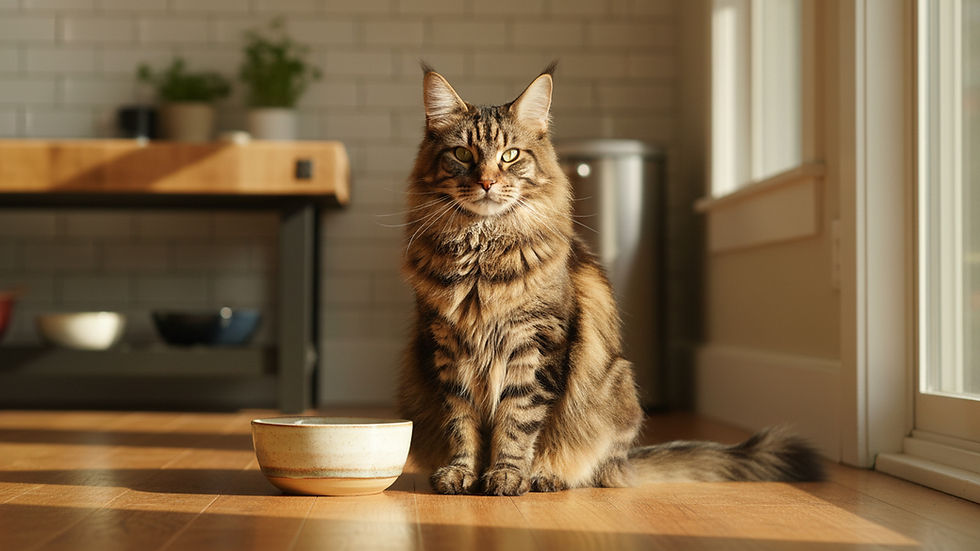
Discover the Holistic Health Benefits of Apple Cider Vinegar for Your Cat

Cats are beloved companions, and many pet owners seek natural ways to support their feline friends' health. Apple cider vinegar (ACV) has gained attention as a natural remedy with potential benefits for humans, but can it also help cats? This post explores the holistic health benefits of apple cider vinegar for cats, how to use it safely, and what to watch for.

What Is Apple Cider Vinegar?
Apple cider vinegar is made by fermenting apple juice with yeast and bacteria. This process produces acetic acid, which gives ACV its sour taste and many of its health properties. It also contains vitamins, minerals, and beneficial enzymes. People use ACV for digestion, skin care, and immune support, and some pet owners have started exploring its use for cats.
How Apple Cider Vinegar Supports Cat Health
Cats have unique physiology, so any supplement should be introduced carefully. When used properly, apple cider vinegar may offer several holistic benefits for cats:
1. Promotes Digestive Health
ACV contains probiotics and enzymes that can help balance gut bacteria. A healthy gut supports digestion and nutrient absorption. Some cat owners add a tiny amount of diluted ACV to their cat’s water or food to help with occasional digestive upset, such as mild constipation or diarrhea.
2. Supports Skin and Coat Condition
Apple cider vinegar has natural antibacterial and antifungal properties. Diluted ACV can be used as a rinse to soothe itchy skin, reduce dandruff, and help with minor skin infections. It may also help repel fleas when applied carefully to the fur, though it should never be used undiluted or on open wounds.
3. Helps Maintain Urinary Tract Health
Cats are prone to urinary tract issues, which can be painful and serious. ACV is mildly acidic and may help maintain a healthy urinary pH balance, potentially reducing the risk of urinary crystals or infections. However, this should be done under veterinary guidance to avoid upsetting your cat’s delicate system.
4. Boosts Immune Function
The antioxidants and vitamins in apple cider vinegar may support the immune system. A stronger immune system helps cats fight off infections and recover faster from illness. While ACV is not a cure, it can be part of a holistic approach to wellness.
How to Use Apple Cider Vinegar Safely for Cats
Safety is the top priority when introducing any new supplement. Here are some guidelines for using apple cider vinegar with your cat:
Always dilute ACV before use. A common ratio is 1/2 teaspoon of apple cider vinegar in one cup of water.
Start with very small amounts to see how your cat reacts.
Do not give undiluted ACV orally or apply it directly to the skin.
Avoid ACV if your cat has kidney problems or is on medication without consulting your vet.
Use organic, unfiltered apple cider vinegar with the “mother” for the best quality.
Practical Examples of Using Apple Cider Vinegar for Cats
Digestive aid: Add a teaspoon of diluted ACV to your cat’s water bowl once or twice a week to support digestion.
Flea repellent: Mix equal parts water and ACV in a spray bottle and lightly mist your cat’s fur, avoiding eyes and nose.
Skin rinse: After bathing your cat, rinse their coat with diluted ACV to soothe skin and reduce itchiness.
Urinary health: Consult your vet about adding small amounts of ACV to your cat’s diet to help maintain urinary tract balance.
When to Avoid Apple Cider Vinegar for Cats
Apple cider vinegar is not suitable for every cat. Avoid ACV if your cat:
Has a history of kidney disease or urinary tract problems without veterinary approval.
Shows signs of allergies or skin irritation after ACV use.
Is very young, elderly, or has a compromised immune system without vet guidance.
Always consult your veterinarian before adding ACV or any supplement to your cat’s routine.
Monitoring Your Cat’s Response
Watch your cat closely after introducing apple cider vinegar. Signs of a positive response include improved digestion, shinier coat, and less scratching. If you notice vomiting, diarrhea, excessive licking, or skin redness, stop using ACV and seek veterinary advice.
Summary
Apple cider vinegar offers several potential holistic benefits for cats, including improved digestion, skin health, flea control, and immune support. When used carefully and diluted, it can be a useful addition to your cat’s wellness routine.